
Advisory Council
In early 2026, the MEVC Foundation set up an Advisory Council to provide expert perspectives on issues relating to the implementation of a constitutional amendment abolishing the Electoral College and replacing it with a direct popular vote (DPV). Led by leading scholar and MEVC Inc. Board member Alexander Keyssar, Advisory Council members are working to identify, analyze, and debate substantive legal and policy matters for draft DPV amendment language and implementing legislation. The Advisory Council provides opinions and recommendations to the Foundation, but MEVC is not bound to those recommendations, and the views and decisions of MEVC do not necessarily represent the individual opinions of Advisory Council members. Membership on the Advisory Council does not imply endorsement of any organizational statement, policy, or action.
Members
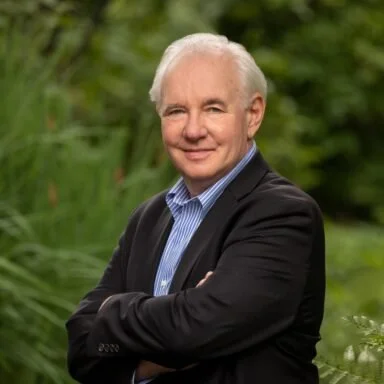
Alexander Keyssar (Chair) is the Matthew W. Stirling Jr. Professor of History and Social Policy at Harvard’s Kennedy School of Government and a historian who specializes in the exploration of historical problems that have contemporary policy implications. His most recent, widely acclaimed book, Why Do We Still Have the Electoral College? (Harvard University Press, 2020), chronicles more than two centuries of efforts to reform or abolish the Electoral College and seeks to explain why these efforts have fallen short. He is also the author of the award-winning book The Right to Vote: The Contested History of Democracy in the United States (2000). A significantly revised and updated edition of The Right to Vote was published in 2009 and recognized for its comprehensive analysis of American voting rights. In 2004-05, Keyssar chaired the Social Science Research Council's National Research Commission on Voting and Elections. He writes frequently for the popular press about American politics and history and serves as a Board member for Making Every Vote Count, Inc.
Professor Keyssar earned his undergraduate degree from Harvard College and his PhD in History of American Civilization from Harvard University.
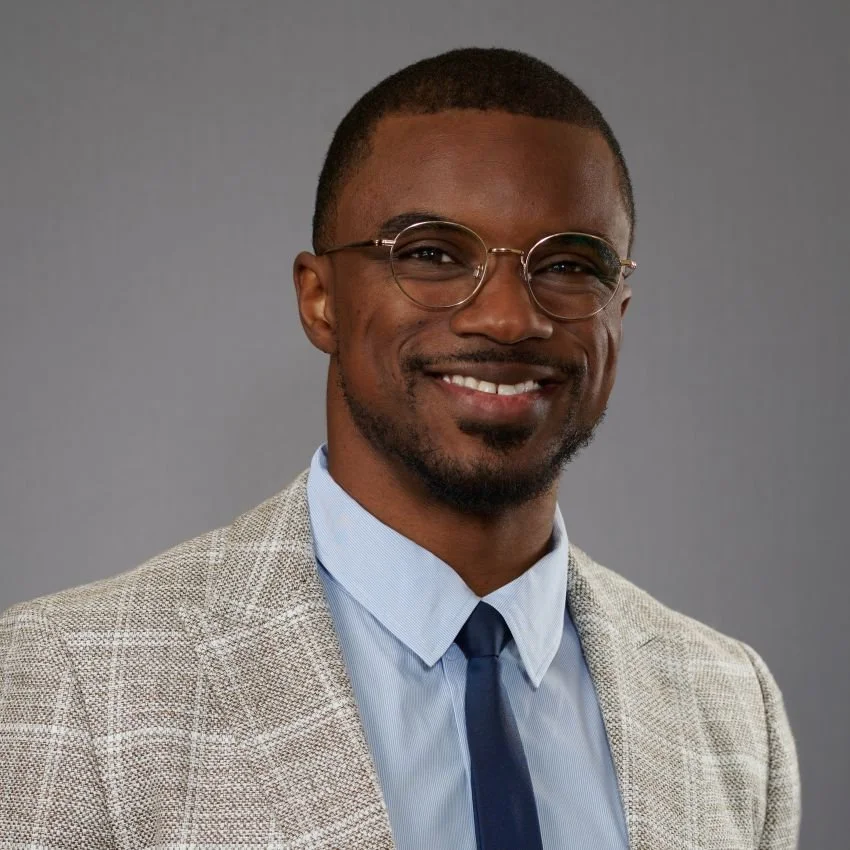
Wilfred U. Codrington III is the Walter Floersheimer Professor of Constitutional Law and co-director of the Floersheimer Center for Constitutional Democracy at Cardozo School of Law. He is also a non-resident fellow at the Brennan Center for Justice at NYU School of Law. His research, teaching, and advocacy focus on voting, elections, and the law of democracy; constitutional law, including constitutional theory and reform; and civil rights, anti-discrimination, and the role of race in the law.
Professor Codrington is the co-author of the 2021 book The People’s Constitution: 200 Years, 27 Amendments, and the Promise of a More Perfect Union (New Press), a narrative history of the amendments to the U.S. Constitution and clarion call for a renewed popular commitment to progressive constitutional reform. He is also the author of numerous academic journal articles and a frequent commentator in outlets including The American Prospect, The Atlantic, The Hill, Politico, Slate, and U.S. News & World Report.
Professor Codrington, a first-generation college graduate, earned his undergraduate degree in philosophy from Brown University with honors, an MPA from the University of Pennsylvania, and a JD from Stanford Law School.
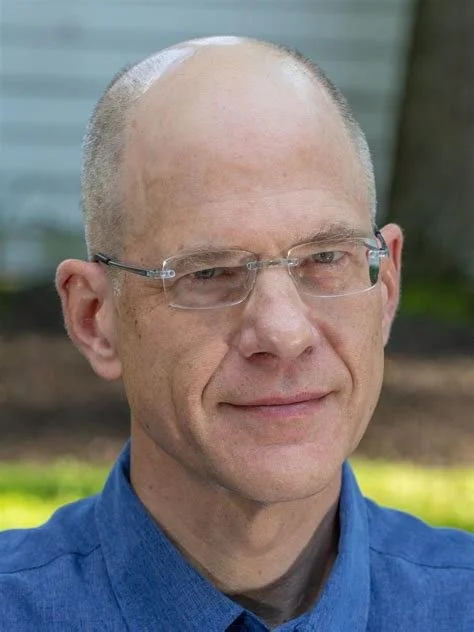
Edward B. Foley holds the Ebersold Chair in Constitutional Law at The Ohio State University, where he directs its election law program. During the 2024-2025 academic year, he was a Crane Fellow in Law and Public Policy at Princeton University, and in 2023 a Guggenheim Fellow.
Professor Foley’s books include Ballot Battles: The History of Disputed Elections in the United States (Oxford University Press, 2016; revised edition 2024) and Presidential Elections and Majority Rule (Oxford University Press, 2020). Professor Foley has served as an on-air NBC and MSNBC Election Law Analyst and he writes frequently on topics concerning the protection and improvement of democracy. He has been a contributing columnist for the Washington Post and his essays have been published in journals including The Atlantic and Politico. In 2024 he launched Common Ground Democracy on Substack to address the need to reform America’s election laws to combat polarization. He also writes a “Justice, Democracy, and Law” column for SCOTUSblog.
Professor Foley is a graduate of Yale College and Columbia University School of Law, and a former law clerk to Justice Harry Blackmun of the U.S. Supreme Court and Chief Judge Patricia M. Wald of the U.S. Court of Appeals for the D.C. Circuit. He served as Solicitor General of Ohio in 1999 and 2000.
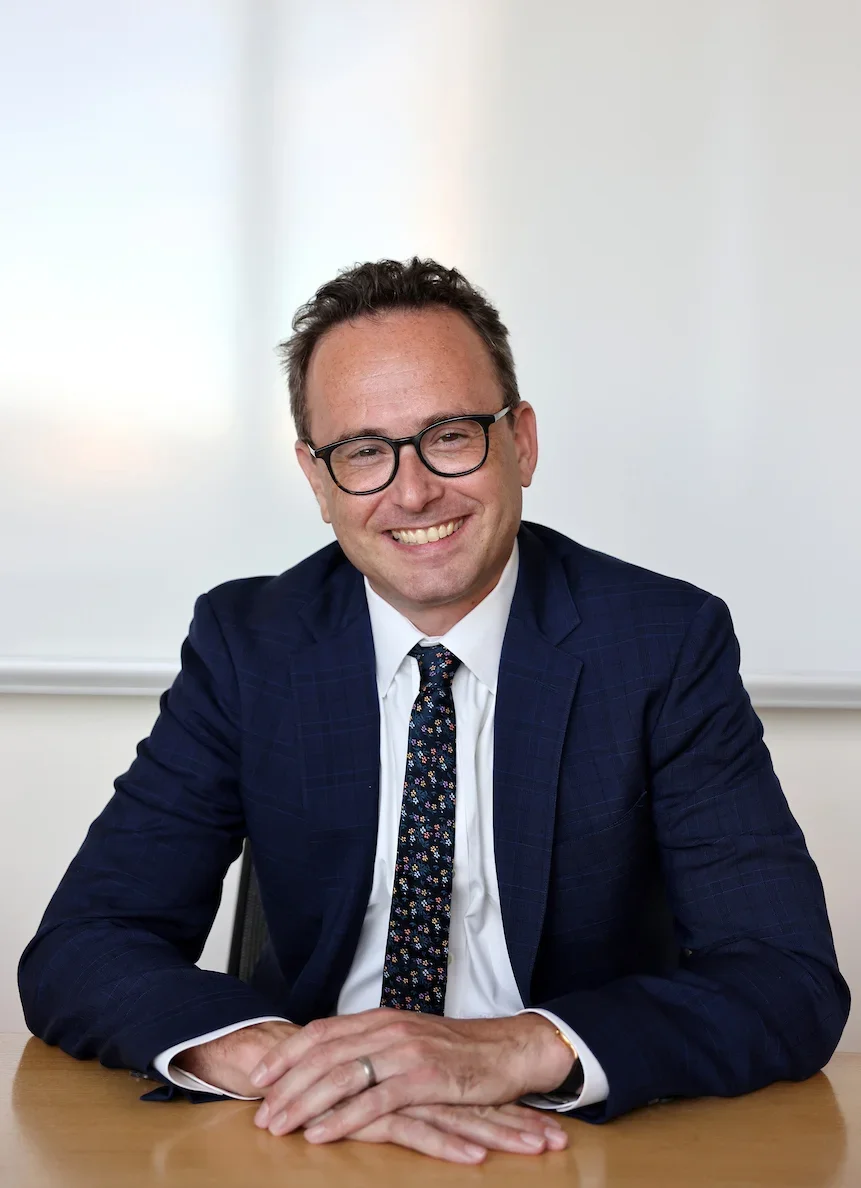
Larry Schwartztol is Professor of Practice at Harvard Law School, where he teaches, writes, and advocates on democracy and voting rights, civil rights, anti-discrimination law, and federal civil procedure. He is also the faculty director of the Democracy and Rule of Law Clinic.
Professor Schwartztol is the author or co-author of numerous articles including Larry Schwartztol & Justin Florence, Amending the Constitution Is Impossible Until Suddenly It’s Not, The Atlantic (Jan. 11, 2024). He has written extensively on the Electoral College and protecting the integrity of elections.
Before joining the HLS faculty, Professor Schwartztol served in the Biden Administration as Associate White House Counsel and Special Assistant to the President, where he was the point person within Counsel’s Office on issues relating to voting rights and democracy. He also spent fifteen years as a litigator, advocate, and researcher on issues relating to democracy and racial justice at organizations including Protect Democracy, the ACLU’s Racial Justice Program, and the Democracy Program at the Brennan Center for Justice at NYU School of Law.
Professor Schwartztol received his J.D. from Yale Law School and his B.A. from the University of Chicago. He clerked for Judge Harry T. Edwards of the U.S. Court of Appeals for the D.C. Circuit.